How to Limit Your Environmental Impact at Work (Without Killing Productivity)
Key Takeaways
- Workplace sustainability works best when aligned with efficiency and cost control
- Print optimization reduces waste without disrupting workflows
- Extending device life is one of the easiest environmental wins
- Digital workflows should be strategic, not absolute
- Measurable data makes sustainability sustainable
- Secure systems often reduce waste naturally
Let’s get one thing straight: nobody comes to work hoping to save the planet by accident. They come to get things done. Meet deadlines. Keep the lights on. Maybe drink a decent cup of coffee before 10 a.m.
The good news? Reducing your environmental impact at work doesn’t require hemp cubicles, handwritten memos, or shaming people for printing an email. In fact, the most effective sustainability wins today come from smarter systems, better workflows, and fewer “why are we still doing it this way?” moments.
At Kelley Create, we’ve learned this firsthand: when sustainability aligns with efficiency, security, and cost control, it stops being a “nice initiative” and starts being good business.
Here’s how modern workplaces can lower their environmental footprint — without slowing anyone down.
Start With the Biggest Lever: How Your Office Uses Technology
If you want real impact, don’t start with desk plants. Start with the systems that quietly consume energy, paper, and resources every single day.
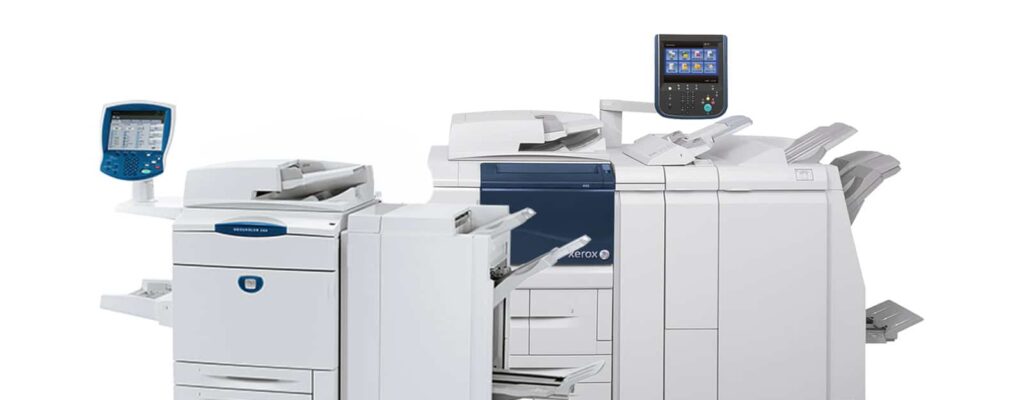
Office technology — printers, copiers, scanners, computers, servers — accounts for a significant chunk of workplace environmental impact. Optimizing how these tools are used often delivers immediate reductions in waste and energy consumption.
According to the U.S. Environmental Protection Agency, improving equipment efficiency and reducing unnecessary printing can significantly lower an organization’s environmental footprint.
Print Smarter, Not Less (Yes, There’s a Difference)
“Just stop printing” sounds great in theory. In reality, most organizations still rely on printed documents for workflows, compliance, collaboration, and recordkeeping.
The smarter move is print optimization:
-
Defaulting devices to duplex (double-sided) printing
-
Implementing secure print release so jobs aren’t printed and abandoned
-
Tracking usage to identify waste and overprinting
-
Routing large or complex jobs to the most efficient device
These changes reduce paper, toner, and energy use — and they usually cut costs at the same time. That’s sustainability everyone can get behind.
ENERGY STAR–certified imaging equipment, for example, uses significantly less power in standby and active modes.
Extend the Life of What You Already Own
One of the most overlooked sustainability strategies is also one of the simplest: use equipment longer — and use it better.
Replacing devices too early increases electronic waste and manufacturing emissions. Proper maintenance, right-sized office print fleets, and proactive monitoring help organizations:
-
Reduce e-waste
-
Avoid premature replacements
-
Improve uptime and reliability
Extending device life isn’t just greener — it’s also easier on your capital budget.
Embrace Digital Workflows (Strategically)
Digital transformation isn’t automatically sustainable — but when done intentionally, it reduces waste fast.
Look for opportunities to:
-
Digitize approvals and signatures
-
Scan and archive instead of photocopying
-
Automate document routing and storage
-
Reduce duplicate document creation
The key is balance. Digital where it makes sense. Print where it’s required. Chaos nowhere.
Make Sustainability Measurable (or It Won’t Stick)
Good intentions don’t survive quarterly reviews. Data does.
Modern workplace systems can track:
-
Print volumes
-
Energy usage
-
Device utilization
-
Waste reduction over time
Once sustainability becomes measurable, it becomes manageable — and defensible when leadership asks, “Is this actually making a difference?”
The International Organization for Standardization (ISO) emphasizes measurable environmental management practices as part of ISO 14001 environmental standards.
Security and Sustainability Go Hand in Hand
Here’s a plot twist: secure workplaces are often more sustainable workplaces.
Why?
-
Secure print release reduces abandoned documents
-
Controlled access reduces unnecessary output
-
Auditing and accountability discourage waste
When documents are protected and workflows are intentional, fewer resources are wasted — and fewer mistakes end up in the recycle bin.
Don’t Forget the Human Factor
Even the best systems fail if people don’t understand them.
Sustainable workplaces succeed when:
-
Employees know why changes were made
-
Defaults do the heavy lifting
-
Policies are simple, not punitive
If sustainability feels like extra work, adoption drops. If it feels invisible and helpful, it sticks.
Sustainability Isn’t About Perfection — It’s About Progress
No workplace is zero-impact. And that’s okay.
The goal isn’t to eliminate every printed page or device — it’s to:
-
Reduce waste where it’s obvious
-
Optimize systems where it’s impactful
-
Make smarter choices consistently
Small improvements, multiplied across teams and time, add up fast.
A Smarter Way Forward
If your sustainability strategy still lives in a slide deck somewhere between “future goals” and “revisit next year,” it might be time for a reset.
At Kelley Create, we help organizations reduce environmental impact by fixing the systems that quietly waste resources every day — from print and document workflows to device management and security.
No grandstanding. No guilt trips. Just smarter operations with greener outcomes.
If you’re ready to make sustainability practical, measurable, and actually helpful, let’s talk. Because saving resources is great — but saving time, money, and the planet?
That’s a win worth printing (double-sided, of course).
FAQs
-
Focus on efficiency first. Updating outdated printers, enabling default duplex printing, and moving common workflows to digital processes often improves productivity while reducing waste.
-
Completely paperless? Probably not. But paper-light is very achievable. Many offices cut paper usage by 30–60% by digitizing forms, approvals, and document storage.
-
Yes. Modern, energy-efficient devices are faster, smarter, and more reliable than older models—while using less power and fewer consumables.
-
Print management. Controlling who prints what, when, and how eliminates unnecessary output and quietly reduces paper, toner, and energy use.
-
It supports ESG goals, strengthens brand reputation, and often lowers operating costs. Plus, employees increasingly expect their workplace to act responsibly—it’s good business and good culture.